
Ni NOEL ABUEL
Panahon nang suriin ang mga hadlang sa pagtatrabaho at isa na rito ay ang kahirapan sa pagpasa sa mga board exams.
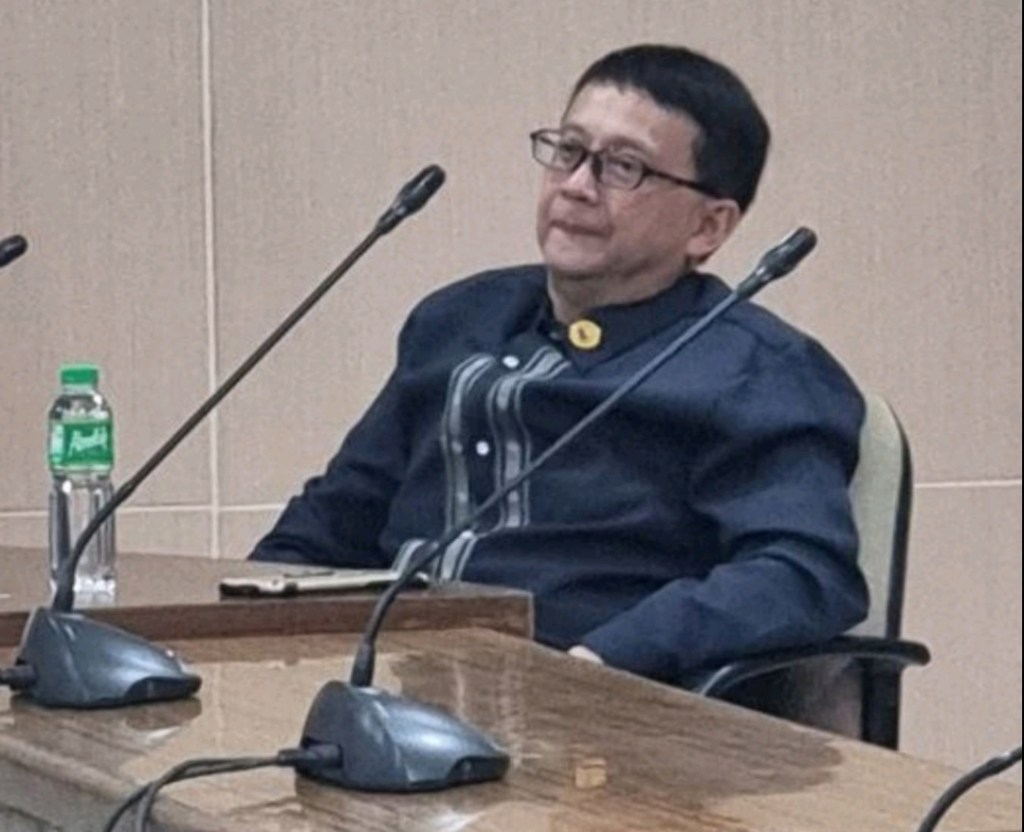
Ito ang sinabi ni Northern Samar Rep. Paul R. Daza kasabay ng muling panawagan na habang tinutugunan ng bansa ang kakulangan ng mga medical professionals partikular na ang mga nurses.
Una nang nagbigay ng talumpati si Daza sa House Plenary noong Marso, kung saan binigyan-diin nito ang patuloy na mababang antas ng pagpasa sa licensure examinations.
Inihalimbawa nito na noong 2017 hanggang 2022, 36 professions ang passing rate na nasa 52.58% o katumbas ng kalahating porsiyento.
“Ibig sabihin po, kalahati po ng ating mga examinees sa maraming propesyon ay bumabagsak. What our newly-appointed DOH Secretary Teodoro Herbosa said, is correct,” pahayag pa ng mambabatas.
“The Professional Regulation Commission (PRC) needs to ‘relax’ the rules. However, the solutions must be long-term rather than stop-gap measures,” dagdag pa ni Daza.
Ang passing rates sa maraming trabaho ay maging mababa sa kahalintulad na po panahon.
“In the teaching profession, the average passing rate is 31.56% for elementary education while passing rate is 41.25% for high school. For criminologists, rate is 34.84% while for certified public accountants, the passing rate is 24.36%. For fisheries technologies, passing rate is 33.18% only,” ayon pa dito.
“The Philippines is an archipelagic nation with oceanic area larger than its land area but only 1/3 of its aspirants are passing the licensure exam. Another alarming trend is the passing rate for agriculturists. It is 36.92% only! Paano na po ang ating goal toward food security?” tanong ng kongresista.
Bumababa ang bilang ng mga magsasaka sa paglipas ng mga taon at ang kabuuang bilang ng mga taong nagtatrabaho sa agrikultura ay bumaba sa 9.7 milyon noong 2019, bumaba ng 3% mula sa 10 milyon noong 2018 (PSA).
Kung ikukumpara aniya ito sa limang taong reference period, bumaba ito ng 14%, na may 11.3 milyong tao na nagtatrabaho sa sektor noong 2015.
“We have been discussing this matter with PRC and I’m happy that they are very receptive. There are solutions—aside from rationalizing the passing rates—such as a
‘modular’ approach where examiners who failed the board exams but passed in certain subjects need no longer re-take the whole exam,” sa rekomendasyon ni Daza.
“It’s time to break all barriers. We already have the law on free tertiary education. It’s
still problematic in certain aspects but it’s a good start. What we need to work on as well is ensuring that our graduates will not join the unemployed after graduation,” giit pa nito.

 OnlineBalita news