
Ni NOEL ABUEL
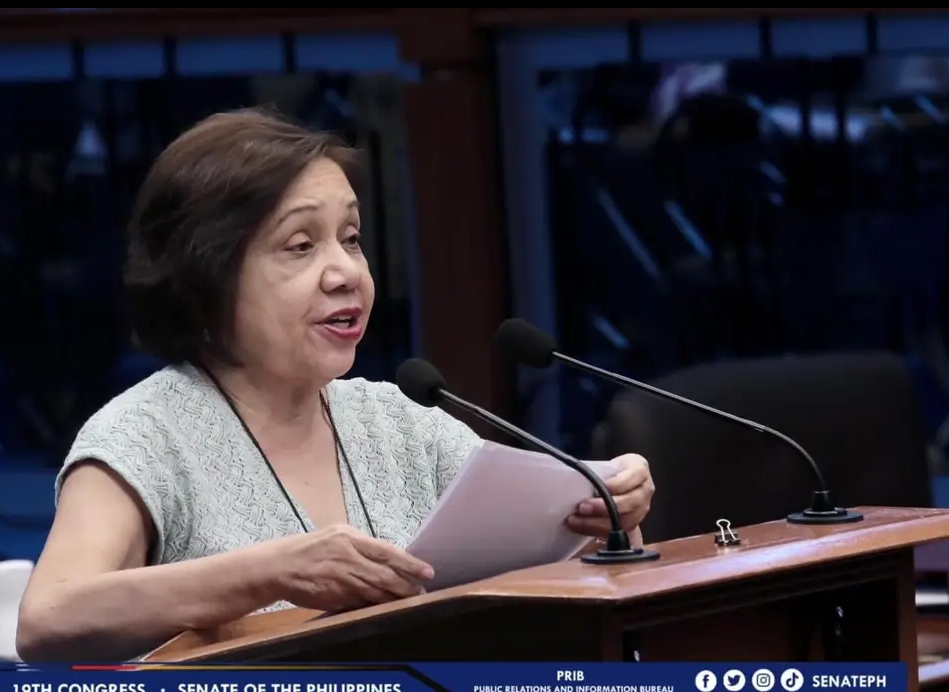
Nagpasalamat si Senador Cynthia A. Villar kay Pangulong Ferdinand “Bongbong” Marcos Jr. sa bagong bagong buhay sa naghihingalong salt industry matapos lagdaan ang Republic Act No 11985 o An Act Strengthening and Revitalizing the Salt Industry in the Philippines, Appropriating Funds Thereof.
Ayon sa senador, principal sponsor ng bill, isa itong “welcome development”at malaking tulong ito upang muling buhayin ang naghihingalong salt industry ng bansa.
Aniya, isa rin itong ‘prayer heard’ para sa mga manggagawa at stakeholders ng sektor na umaapela sa pagbuhay sa nasabing industriya.
Ipinahayag din ni Villar na muling makagagawa ng asin ang mga naninirahan sa mga coastal communities sa bansa.
Ipinunto ng Villar, chairperson ng Committee on Agriculture and Food na matutugunan ng batas ang pagpapalawak sa kasalukuyang salt farms o asinan na nakatuon lamang sa Pangasinan at Mindoro.
“The Department of Environment and Natural Resources and BFAR are mandated to map out, identify, and designate public lands, including portions of municipal waters, as salt production areas within 60 days from the passage of this Act,” ani Villar.
“Public land for salt production shall also be leased for a 25-year period, renewable for another 25 years, for use as salt farms. For this purpose, BFAR shall issue the Salt Production Tenurial Instrument where cooperatives and associations of subsistence and small producers and farmers shall be given preferential treatment,” paliwanag ng senador.
Sinabi pa ni Villar na kailangang matugunan ang tumataas na demand ng mga Filipino households at ang karagdagang taunang demand na 300,000 metriko tonelado ng asin bilang coconut fertilizer sa ilalim ng 2021 Coconut Farmers and Industry Trust Fund Act.
Samantala, nagpahayag din si Villar ng pagkadismaya dahil sa ang salt production ng bansa ay nasa 16.782 percent o 114,000 metric tons lamang ng 683,000 metric tons sa annual demand.
Sa ilalim ng bagong batas, gagawa ng Philippine Salt Industry Development Roadmap na kabibilangan ng mga programa, proyekto at interventions sa development at management, research, processing, utilization, modernization, at commercialization ng Philippine salt.
Bubuo rin ng 16-member Philippine Salt Industry Development Council na pamumunuan ng kalihim ng Department of Agriculture (DA).
Ibibigay sa salt industry ang makokolektang taripa mula sa imported salt sa pagbuo ng Salt Industry Development and Competitiveness Enhancement Fund (SIDCEF).
“For 10 years, the SIDCEF shall be earmarked for the: (1) provision of machinery and equipment, including sea water pumps, salt graders, salt harvesters, dump trucks and bagging machines, and salt iodization machines for beneficiaries who are into salt iodization; 50 percent; (2) establishment of salt farm warehouses/storage areas; 40 percent; (3) conduct of extension services; 5 percent; and (4) development of modern salt production and processing technology; 5 percent,” pahayag pa ni Villar
Sa ilalim din ng bagong batas, tinukoy ni Villar na nagiging optional na lamang ang iodization ng asin na hindi ‘for human consumption’ o local food production gayundin ang artisanal salt.
“Kailangang tumupad sa iodization standards ng Department of Health ang importers, traders at distributors ng imported food-grade salt na isasailalim sa fortification,” sabi nito.
“It also seeks the creation of a Philippine Salt Industry Development Council, which will be tasked to ensure the unified and integrated implementation of the salt roadmap,” dagdag pa ng senador.

 OnlineBalita news