
Ni MJ SULLIVAN
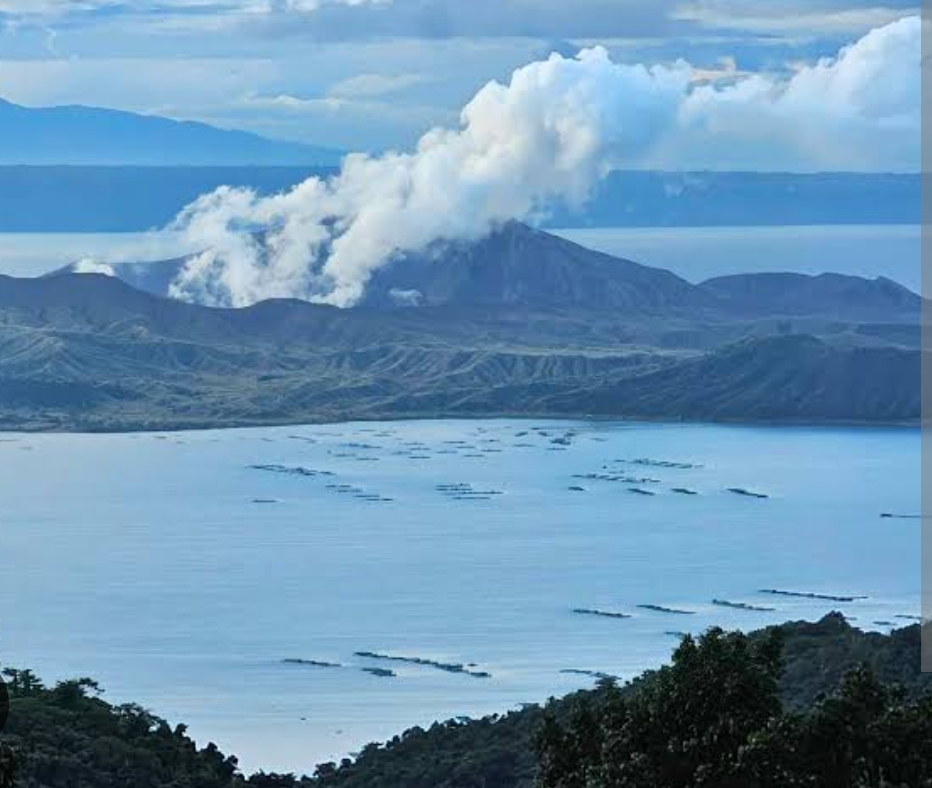
Nagpakita ang aktibidad ang bulking Taal nang maglabas ito ng malakas na usok mula sa bunganga nito ngayong araw.
Ayon sa Philippine Institute of Volcanology and Seismology (Phivolcs), base sa seismic, visual and infrasound records, naitala sa pagitan ng alas-5:11 ng madaling-araw hanggang alas-5:24 ng madaling-araw ang white steam-laden plume na tumaas sa 2,400 meters at tinangay ng hangin patungong timog-kanluran.
“Sulfur dioxide (SO2) emission averaged 9,677 tonnes/day yesterday, 11 April 2024, and has been consistently elevated this year, averaging 10,248 tonnes/day since January 2024. The phreatic event was likely driven by the continued emission of hot volcanic gases at the Taal Main Crater and could be succeeded by similar phreatic activity. The background levels of volcanic earthquake activity and ground deformation detected at Taal indicate that unrest is unlikely to progress into magmatic eruption,” sa datos ng Phivolcs.
Nag-abiso ang Department of Science and Technology-Phivolcs sa publiko na nakataas pa rin ang Alert Level 1 sa paligid ng Taal Volcano na senyales ng pagiging abnormal ang kondisyon nito.
“At Alert Level 1, sudden steam-driven or phreatic explosions, volcanic earthquakes, minor ashfall and lethal accumulations or expulsions of volcanic gas can occur and threaten areas within TVI. Furthermore, degassing of high concentrations of volcanic SO2 continues to pose the threat of potential long-term health impacts to communities around Taal Caldera that are frequently exposed to volcanic gas,” ayon pa datos.
DOST-PHIVOLCS strongly recommends that entry into TVI, Taal’s Permanent Danger Zone or PDZ, especially the vicinities of the Main Crater and the Daang Kastila fissure, must remain strictly prohibited. Local government units are advised to continuously monitor and assess preparedness of their communities and undertake appropriate response measures to mitigate hazards that could be posed by long-term degassing and related phreatic activity. Civil aviation authorities must advise pilots to avoid flying close to the volcano as airborne ash and ballistic fragments from sudden explosions and wind-remobilized ash may pose hazards to aircrafts,” dagdag pa nito.

 OnlineBalita news