
BY ONLINE BALITA NEWS
Finance Secretary Ralph G. Recto underscored that the Department of Finance (DOF) is maximizing every peso collected in its revenue efforts to prioritize funding for education along with social protection, food security, and infrastructure, among others, to produce a generation of globally competitive Bagong Pilipino.
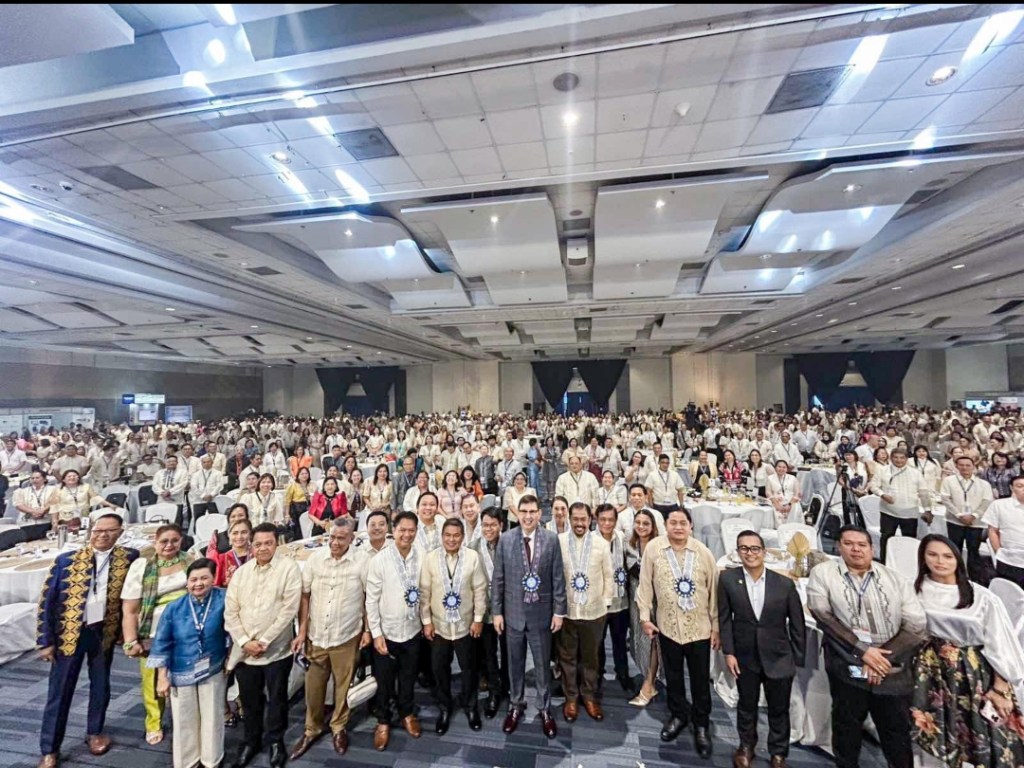
“Education must be a top priority of the government. And it is the last expenditure upon which the Philippines should be willing to economize,” he said in his keynote address during the 2024 Philippine Association of State Universities and Colleges (PASUC) Annual Convention and General Assembly on July 15, 2024 at the SMX Convention Center Manila in Pasay City.
“Because a country’s progress hinges on the quality of its human capital. Education dictates whether a nation prospers or remains poor,” he added.
According to the 2024 General Appropriations Act (GAA), education receives the bulk of budget allocation worth PHP 969.0 billion. This is 8.2% higher compared to 2023.
Of the total, funding for SUCs reached PHP 132.9 billion, a double-digit or 19.3% increase from last year.
This includes a PHP 21.7 billion allocation for SUCs to provide free tertiary education to over 3.1 million students across the country, a law that Secretary Recto championed in 2017 during his time as a legislator.
The Finance chief stressed that a college education is the best investment one can ever make, having a high rate of return of around 15%. This is better than what banks and stocks can offer.
For instance, the World Bank estimates a 17% increase in earnings for those with college degrees–the highest compared to those with primary and secondary education only.
Other studies reveal that a college degree significantly increases an individual’s chances of being employed, attaining a better retirement plan, and even enjoying a longer life expectancy.
“A college diploma may not make one as rich as Elon Musk. But it is a tried-and-tested ticket out of poverty–towards a life of prosperity and health. So imagine the effects this can have on the Philippine economy,” Secretary Recto said.
With the Philippines currently enjoying a demographic sweet spot or a median age of only 25 years old, the Finance Chief said having more workers with college diplomas could fuel a transformative surge in productivity, innovation, and economic growth–breaking the cycle of poverty in the country.
To fully harness this potential, he said the government is also equally prioritizing social protection, food security, and physical infrastructure to ensure that Filipinos are not just well-educated but are healthy and thriving.
This year, the government is spending around PHP 440 billion on social protection programs like ayuda; PHP 221.7 billion on the agriculture sector to improve agricultural productivity; and PHP 1.47 trillion on infrastructure projects to enhance the country’s logistics backbone, including disaster-resilient school buildings.
“Rail projects like the upcoming Metro Manila Subway and the LRT-1 Cavite Extension will dramatically help students within the metro and nearby provinces to travel seamlessly to university areas,” he said.
To prepare the next generation of students for a future driven by artificial intelligence (AI), the government is also working on bridging the digital divide from Luzon to Mindanao through the Philippine Digital Infrastructure Project and the National Broadband Program.

 OnlineBalita news