
NI MJ SULLIVAN
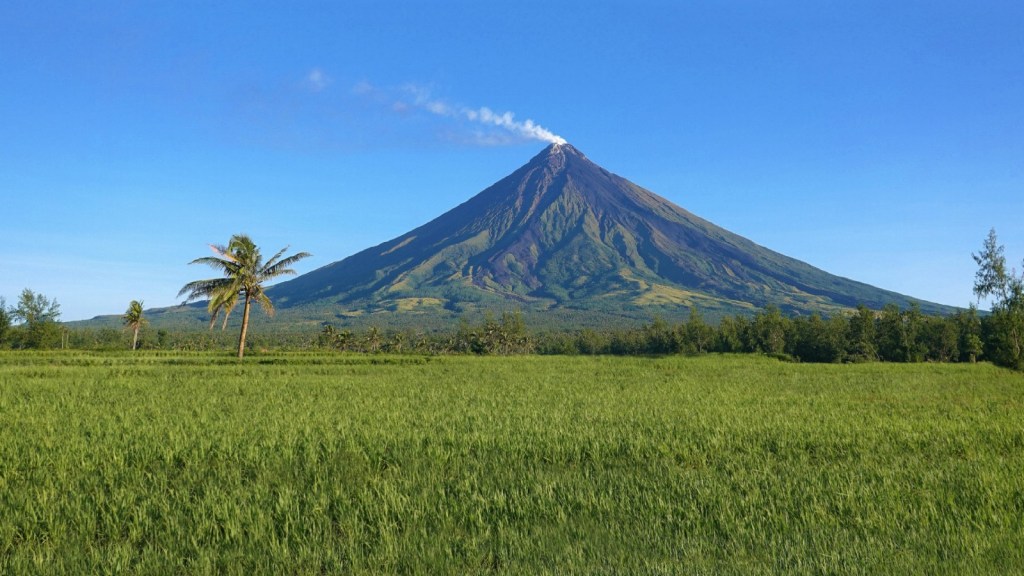
Hindi isinasantabi ng Philippine Institute of Volcanology and Seismology (Phivolcs) na malaki ang posibilidad na magkaroon ng pagsabog ang Bulkang Mayon dahil sa ipinakikita nitong senyales.
Ayon sa Phivolcs, isa sa nakikitang posibleng mangyari ay magkaroon ng major eruption at malilit na pagputok sa bunganga ng bulkan dahil na rin sa mga senyales na nakikita dito.
Base sa pinakahuling volcano bulletin, nakapagtala ng 74 rockfall events sa Mayon Volcano mula alas-5:00 ng madaling-araaw noong Lunes hanggang alas-5:00 ng madaling-araw ngayong Martes na tumagal ng 1 hanggang 4 na minuto.
“Mayon Volcano Network recorded seventy-four (74) rockfall events based on seismic and visual observations. These events lasted 1-4 minutes and emplaced lava debris on the southern gullies within a kilometer from the summit crater. Thin brownish-gray ash from the rockfalls also drifted to the general southwest. Continuous moderate degassing from the summit crater produced steam-laden plumes that were bent and drifted to the west-southwest,” ayon sa Phivolcs.
Nakapag-monitor din ang Phivolcs na kabuuang 208 tonnes na sulfur dioxide mula sa bunganga ng bulkan at naglabas din ng usok na umabot sa 200 metro ang taas na kumikilos sa direksyon ng kanluran-timog-kanluran.
“Sulfur dioxide (SO2) emission was last measured at an average of 208 tonnes/day on 05 June 2023. Short-term observations from EDM and electronic tiltmeter monitoring show the upper slopes to be inflating since February 2023. Longer-term ground deformation parameters based on EDM, precise leveling, continuous GPS, and electronic tilt monitoring indicate that Mayon is still inflated, especially on the northwest and southeast,” dagdag pa nito.
Asahan na makakaranas ng ashfall ang mga bayan ng Camalig, Guinobatan, Ligao, at Oas kung kaya’t pinapayuhan ang mga residente nito na magsuot ng face mask o dust mask.
Una nang itinaas ng Phivolcs, mula alert level 1 ay naging alert level 2 matapos na makapagtala ng shallow magmatic processes na nagdulot ng phreatic eruptions kung kaya’t mahigpit na ipinagbawal ang pagpasok sa six-kilometer radius Permanent Danger Zone (PDZ) at ipinagbabawal ang pagpapalipad ng sasakyang panghimpapawid sa paligid ng bulkan.


